

Power continuity, engineered into every decision.
Practical UPS guidance for teams responsible for uptime, safety and resilient infrastructure across the UK.

Critical power for clinical environments.
Understand how UPS fits into the wider electrical resilience strategy for hospitals, clinics and healthcare premises.

Protect the load. Preserve the service.
From N+1 and 2N thinking to bypass paths and maintainability, resilience depends on architecture rather than a single box.

Resilience beyond the core.
UPS planning for remote sites, network rooms and distributed infrastructure where access, environment and autonomy change the design problem.
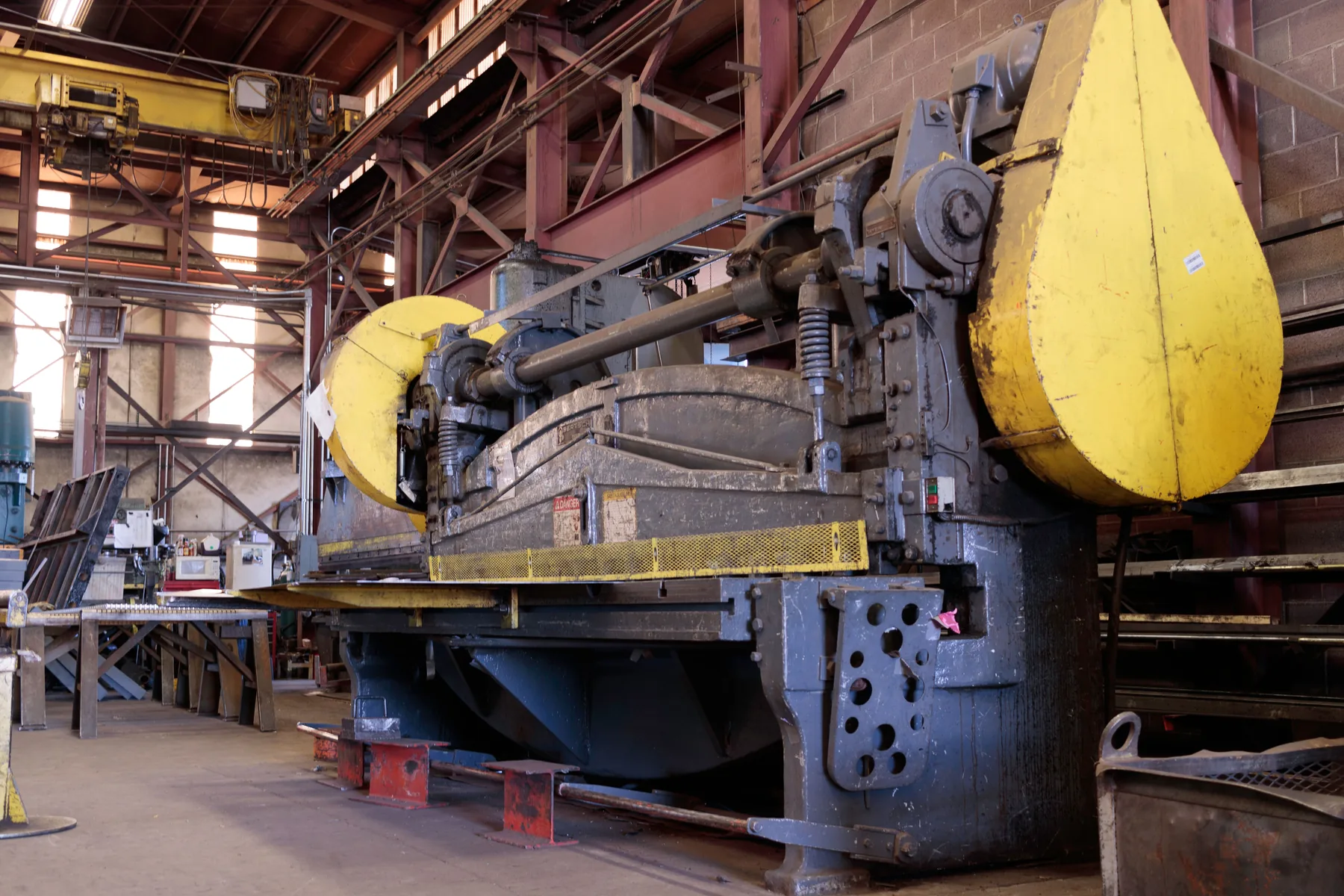
Keep process-critical loads stable.
Industrial UPS selection must account for power quality, fault behaviour, environment, maintainability and the real consequences of a process interruption.
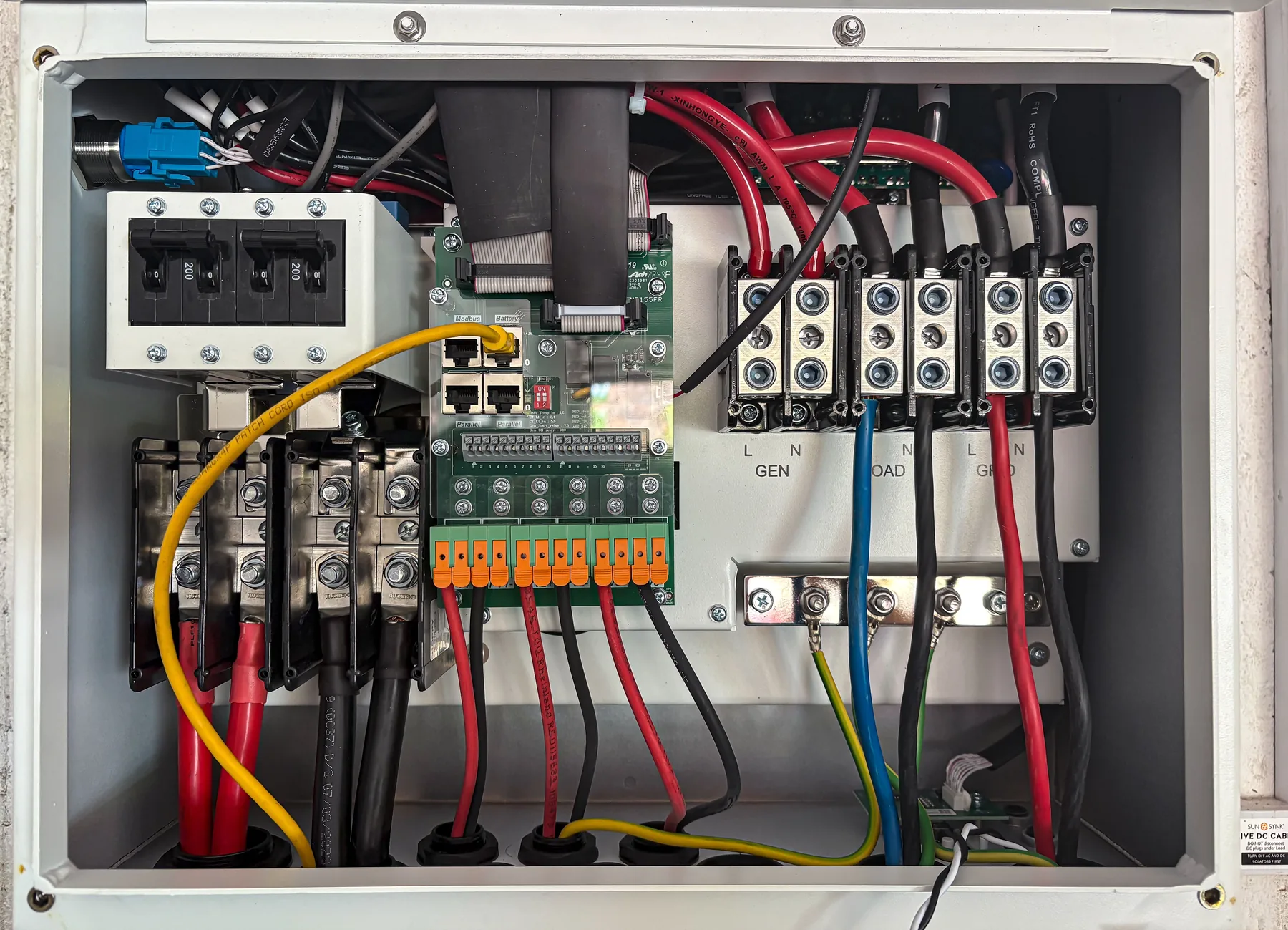
Size around the load you actually have.
Translate kW, kVA, power factor, inrush, growth allowance and required runtime into a defensible UPS specification.
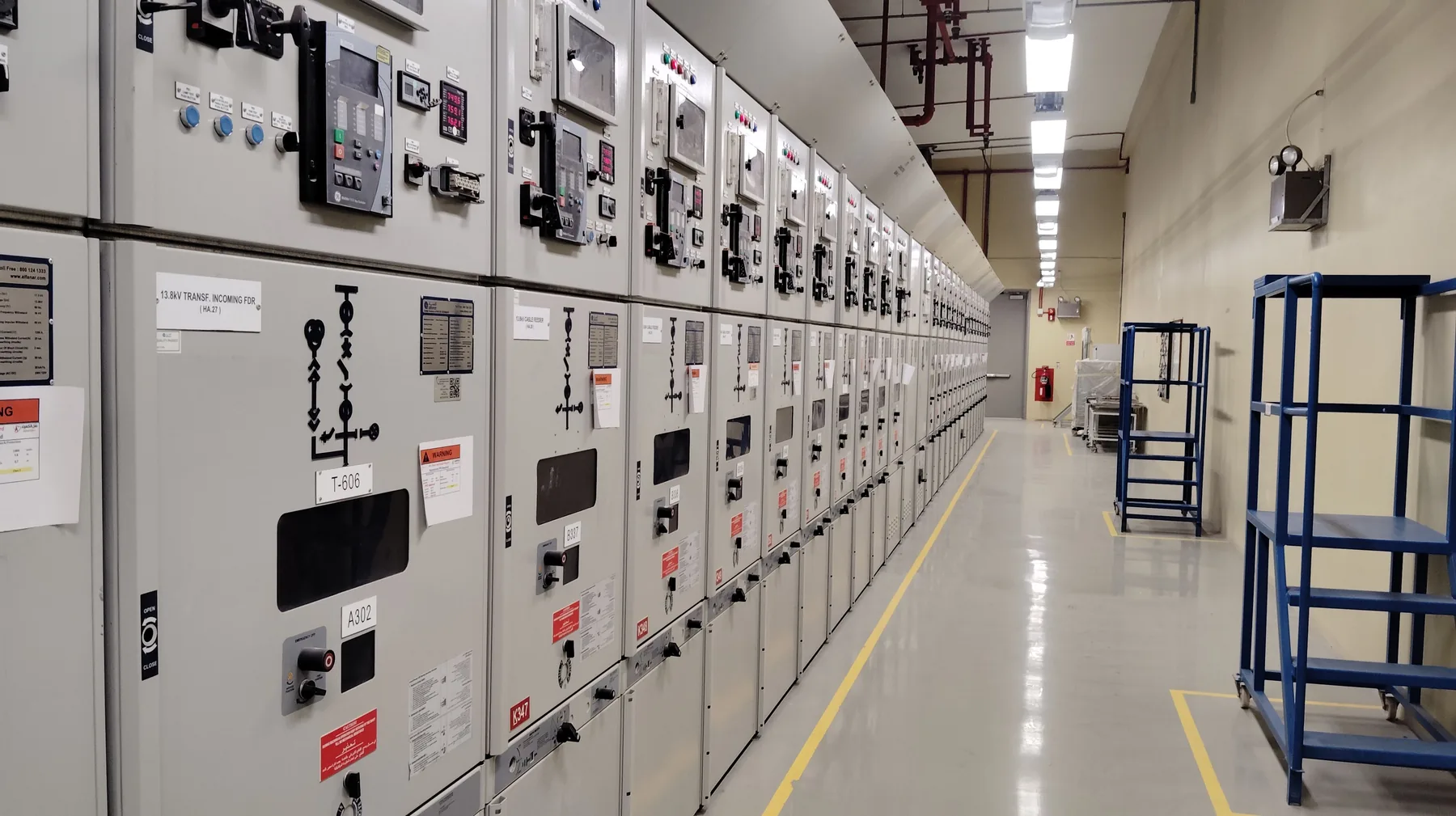
Batteries are part of the system.
Compare VRLA, lithium-ion and other storage options through the lenses of lifecycle, space, temperature, monitoring and operational risk.
Redundancy without hidden weak points.
Separate theoretical redundancy from genuine maintainability by tracing every power path, bypass state and failure dependency.
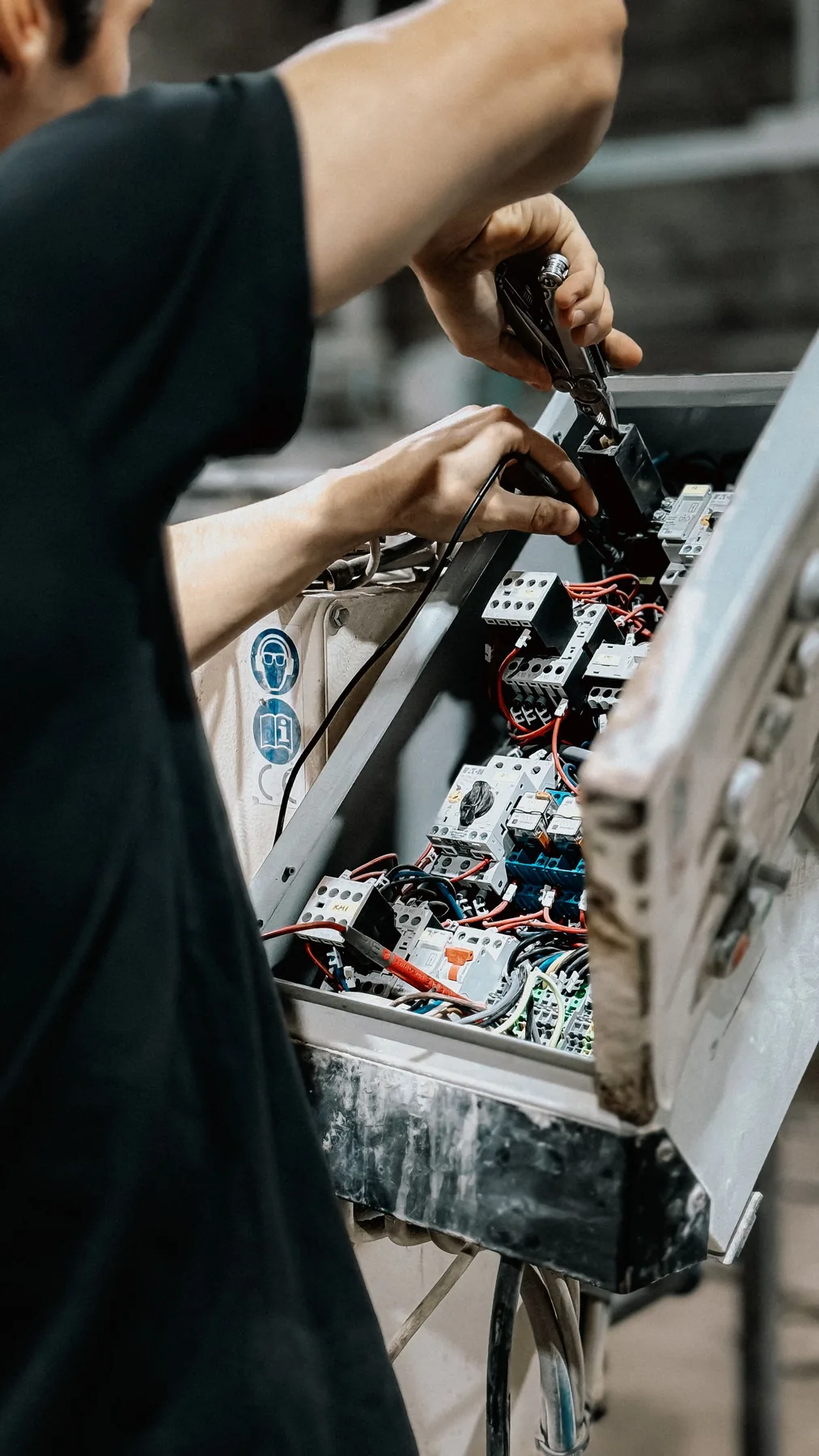
Prove resilience before the outage does.
Maintenance, testing, battery condition and operating procedures determine whether installed resilience is still available when it is needed.
Ask better questions before procurement.
A structured specification protects against under-sizing, incomplete bypass arrangements, unclear autonomy claims and lifecycle surprises.
UPS decisions sit at the intersection of engineering, operations and risk.
Schneider Brothers is structured as a specialist knowledge resource for people planning, operating or reviewing uninterruptible power systems in critical environments.
A UPS is often discussed as a product category, yet the outcome depends on much more than the nameplate rating. Load profile, power quality, autonomy, battery chemistry, environmental conditions, bypass design, generator interaction, maintenance access, monitoring and organisational procedures all influence whether continuity objectives can actually be met.
Our guides focus on those decisions in clear British English, with particular attention to UK healthcare, data-centre, telecoms, industrial and business environments. Where standards or official guidance matter, we point readers towards primary sources rather than inventing credentials or unsupported claims.
Different environments fail differently.
A credible UPS strategy reflects the operational context rather than applying the same design logic everywhere.
Hospitals & clinics
Clinical risk, electrical resilience, tertiary supplies and maintainable infrastructure.
Data centres
Capacity, redundancy, bypass, distribution and scalable resilience.
Edge & telecom
Distributed sites, autonomy, remote monitoring and environmental constraints.
Industrial & manufacturing
Process continuity, electrical noise, harsh environments and lifecycle maintenance.
Four questions before the specification.
What must not stop?
Separate critical, essential and deferrable loads. A smaller, well-defined protected load is often easier to engineer and maintain than an indiscriminate one.
How long must it ride through?
Autonomy should be tied to the operating scenario: generator start, controlled shutdown, fault isolation, network restoration or deliberate extended runtime.
How will it be maintained?
A resilient design should allow testing and service without creating an unplanned single point of failure or forcing unnecessary exposure of the load.
How will health be known?
Monitoring, alarms, battery condition, event logs and scheduled tests turn installed equipment into an actively managed resilience system.
Build a better UPS brief before asking for a quote.
The strongest procurement conversations begin with an informed requirement rather than a catalogue model.
UPS systems explained
Standby, line-interactive and online double-conversion topologies.
How to size a UPS
kW, kVA, power factor, inrush, headroom and future growth.
Battery runtime & autonomy
Move from a headline runtime number to an operating scenario.
UPS and generator compatibility
Input behaviour, transfer, harmonics, step loads and commissioning.
Maintenance and testing
Evidence that the installed system remains safe and available.
Power resilience is a system, not a cabinet.
UPS questions that change the design.
Short answers are useful, but critical-power decisions should always be checked against the actual site, load and governing requirements.
No. Online double-conversion UPS is common for sensitive and critical loads because it can continuously condition the output and provide defined performance during input disturbances. However, topology should be selected against load sensitivity, efficiency objectives, transfer requirements, environment, maintainability and total system architecture. Smaller office loads may have different needs from a data hall or clinical area.
There is no universal percentage. The design allowance should reflect actual load uncertainty, expected growth, redundancy architecture, power factor, transient behaviour and whether modules can be added later. Excessive oversizing can reduce utilisation and may influence efficiency, while insufficient headroom creates operational risk.
Usually not for long-duration resilience. A UPS commonly bridges short interruptions, conditions power and supports the protected load while another source starts or while a controlled shutdown occurs. Generator and UPS interaction must be engineered and commissioned as a system.
Weaknesses vary by design. Batteries deserve close attention, but bypass arrangements, maintenance procedures, cooling, ageing capacitors and fans, upstream protection, generator interaction, human error and untested assumptions can also undermine resilience. The correct question is where the complete power path can fail or become unavailable.
The IEC 62040 family is central to UPS safety, EMC and performance, with UK-adopted BS EN IEC versions relevant to procurement. Sector-specific guidance can also matter: NHS healthcare estates, for example, use Health Technical Memorandum 06-01 for electrical services. The applicable edition and project requirements should be confirmed by competent professionals.
Need a clearer route through the specification?
Use the procurement checklist to organise your load, autonomy, topology, battery, bypass, monitoring and maintenance requirements before engaging suppliers or consultants.